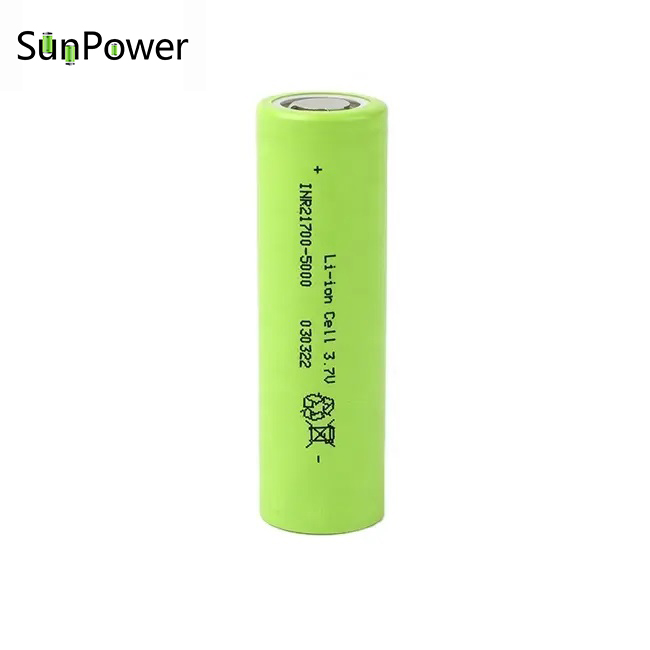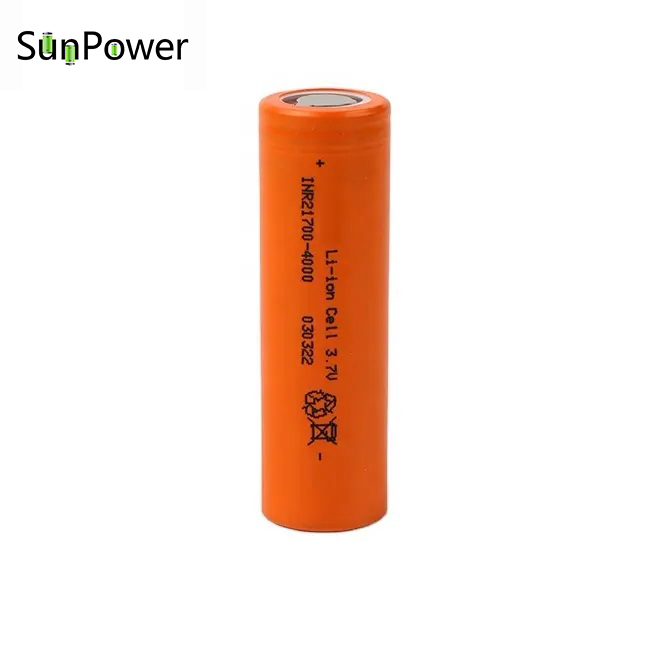
In this article, we will explore the advancements made in the field of 21700 rechargeable li-ion battery technology and discuss various methods used for its development.
The Rise of 21700 Rechargeable Li-ion Battery
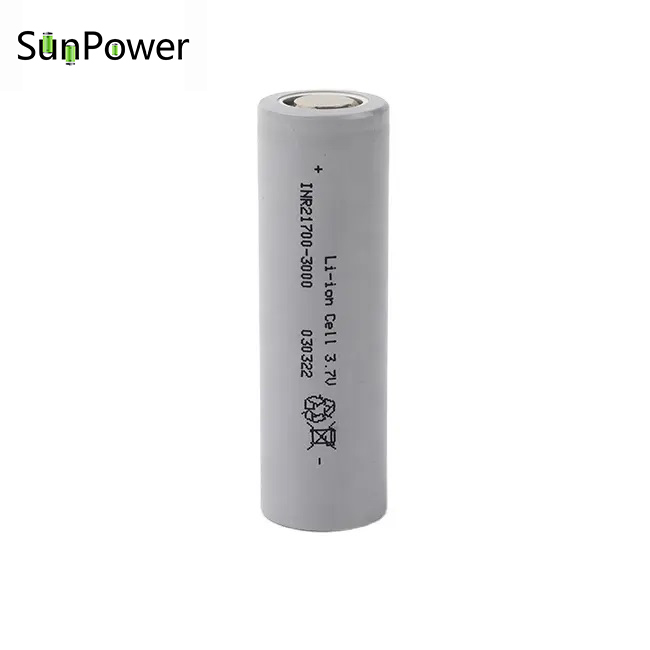
The 21700 rechargeable li-ion battery has gained significant attention in recent years due to its high energy density, improved performance, and enhanced safety features. This type of battery is widely used in various applications such as electric vehicles, portable electronics, and renewable energy storage systems.
One key advantage of the 21700 rechargeable li-ion battery is its larger size compared to traditional cylindrical batteries. This increased size allows for a higher capacity, resulting in longer-lasting power sources for devices. Additionally, the use of advanced materials and manufacturing techniques has led to improved thermal stability and reduced risk of overheating or explosion.
Furthermore, the 21700 rechargeable li-ion battery offers faster charging capabilities compared to previous generations. With rapid charging technologies becoming increasingly important in today’s fast-paced world, this feature makes it an ideal choice for consumers seeking efficient power solutions.
Sunpower New Energy: Pioneering Innovations
Sunpower New Energy is at the forefront of developing cutting-edge technologies related to the 21700 rechargeable li-ion battery. Through extensive research and development efforts, they have introduced several groundbreaking features that have revolutionized this industry segment.
One notable innovation by Sunpower New Energy is their implementation of silicon anodes instead of traditional graphite-based ones. Silicon anodes offer significantly higher energy storage capacity while maintaining structural integrity during charge-discharge cycles. This breakthrough has greatly enhanced overall performance metrics such as cycle life and specific energy density.
In addition, Sunpower New Energy has also focused on improving the electrolyte composition within the 21700 rechargeable li-ion battery. By utilizing advanced additives and solvents, they have achieved higher ion conductivity and improved overall battery efficiency. These advancements contribute to reduced internal resistance and enhanced power output.
The Promise of Lithium Iron Phosphate Battery
Another noteworthy development in the field of rechargeable batteries is the lithium iron phosphate (LiFePO4) battery. This type of battery offers several advantages over traditional lithium-ion batteries, including increased safety, longer cycle life, and better thermal stability.
Lithium iron phosphate batteries are known for their excellent thermal stability even under extreme conditions. They exhibit a lower risk of thermal runaway or combustion compared to other types of lithium-ion batteries. This makes them highly suitable for applications where safety is paramount.
Furthermore, LiFePO4 batteries have an extended cycle life due to their inherent structural stability. With thousands of charge-discharge cycles possible without significant capacity degradation, these batteries offer long-term reliability for various applications such as energy storage systems and electric vehicles.
Conclusion
The advancements made in 21700 rechargeable li-ion battery technology have revolutionized the way we utilize portable power sources today. The larger size, improved performance metrics, faster charging capabilities, and enhanced safety features make it an ideal choice for a wide range of applications.
Sunpower New Energy’s pioneering innovations in silicon anodes and electrolyte composition have further propelled this technology forward by pushing its limits in terms of energy density and efficiency.
Additionally, the emergence of lithium iron phosphate batteries provides alternative options with superior safety characteristics and extended cycle life.Click lithium iron phosphate battery.
All these developments collectively contribute to a more sustainable future powered by efficient energy storage solutions that meet our ever-increasing power demands.